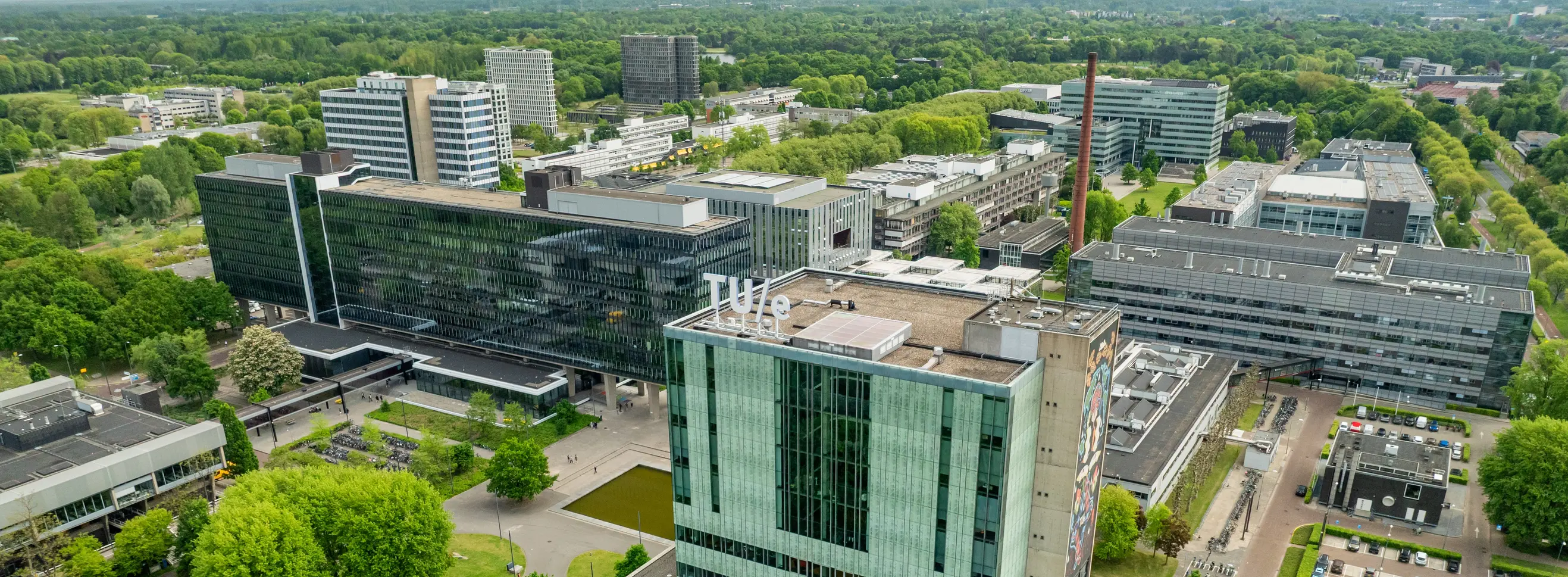
Workshop on Network Calculus 2027
Network calculus is a branch of queueing theory, exploring the bounding behaviour for queues. While network calculus was initially intended for performance guarantee analysis of queueing systems arising in Internet networks, it has been extended and applied to a much wider range of areas. They include various other types of communication networks such as wireless networks, sensor networks, IEEE 802.1 time-sensitive networking (TSN) networks, VIET Deterministic Networking (DetNet) networks, and wireless-powered communication systems. In addition, real-time systems(RT), networks/systems on chip, computing systems, smart grid systems, energy storage systems and operations research have also found network calculus to be a useful tool. Furthermore, network calculus has contributed appealing results to the classical queueing theory.
The goal of this workshop is to bring together researchers with an interest in the theory of network calculus as well as those who want to apply existing results in new applications. The workshop will serve to promote the network calculus theory to researchers with an interest in applied queueing models for data communication. The workshop also aims to provide a platform for networking with experts in the field, providing attendees with the chance to discuss collaborative research and new initiatives.
Topics of interest
The topics of this workshop are related to fundamental aspects as well as applications of network calculus. The following list of topics is non-exclusive:
Deterministic and stochastic network calculus, e.g.
- Traffic and service models
- General topologies
- Numerical tightness
Relation to other theories, e.g.
- Queueing theory
- Discrete event dynamic systems
- Optimization
- Machine learning
Feedback systems, e.g.
- TCP network calculus
- Window flow control
- Retransmission-based systems
Loss systems, e.g.
- Bounded queues
- Wireless links
Aggregate multiplexing, e.g.
- Optimization-based approaches
- Efficient algorithms
- Stochastic case
Tool support, e.g.
- Numerical problems
- Numerical approximations
- Implementation experience
- New frameworks and software
- Benchmark development
Data transformation, e.g.
- End-to-end analysis
- In-network processing
- Age of information
- Network coding
Teaching experiences, e.g.
- Curriculum development and course design
- Experiences with case studies and practical exercises
- Generative AI for teaching network calculus
New applications, e.g.
- TSN, DetNet and 5g
- Energy storage
- Tactile internet
- Cache networks
- Real-time calculus
- Avionic networks
- Mission critical networks
- The power grid
- Wireless sensor networks
- Cyber-physical systems
- Integration of machine learning techniques